Home Solar Panels: Large-Scale Photovoltaic Systems Can Substantially Decrease Energy Costs For Companies
Unlocking the Benefits of Commercial Solar Panels
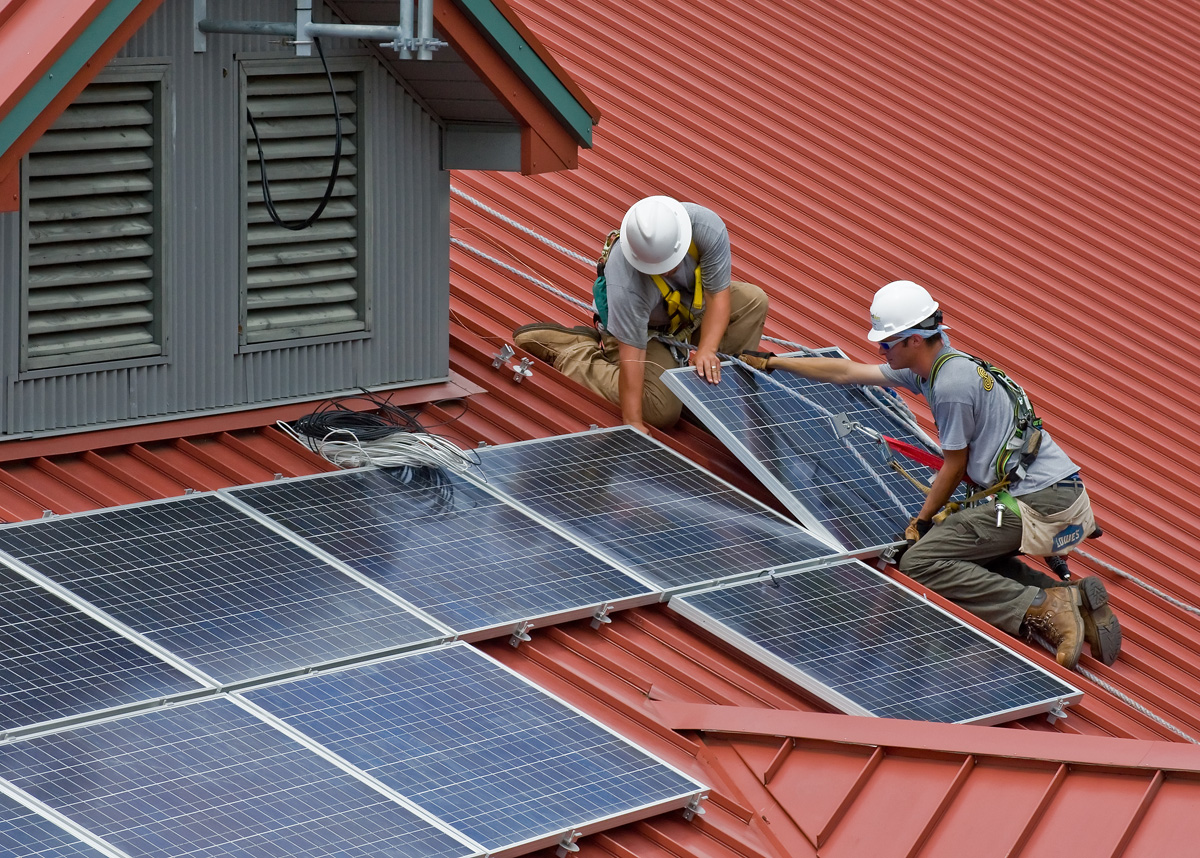
Have you ever wondered why more services are turning towards commercial solar panels in their energy technique? It's not practically going green-- though that's a compelling reason-- it has to do with utilizing an abundant, totally free resource that can significantly lower functional costs in time. Envision a factory roofing transformed into a peaceful, powerful energy generator, quietly slicing month-to-month electrical power expenses while reducing carbon footprints.
Financial Advantages That Speak Volumes
Industrial photovoltaic panels use a suite of financial benefits that can reshape a company's bottom line. Consider these bottom lines:
- Reduced Energy Expenses: Solar power can offset a significant portion of electrical energy usage, causing immediate cost savings.
- Roi (ROI): Though preliminary installation can be considerable, the long-lasting savings frequently go beyond the in advance expenses.
- Energy Cost Stability: Unlike nonrenewable fuel sources, solar power isn't based on market volatility.
- Increased Residential Or Commercial Property Worth: Structures geared up with planetary systems tend to assess greater in value.
Environmental Effect: More Than Simply a Buzzword
Think about the last time you saw a field of solar panels shining under the sun. It's a sight that represents hope and responsibility. Commercial photovoltaic panels drastically minimize greenhouse gas emissions, helping businesses line up with sustainability goals without compromising performance.
- Lower carbon footprint
- Reduction in reliance on nonrenewable energy
- Support for business social duty efforts
Functional Benefits That Often Go Undetected
Beyond the obvious monetary and environmental benefits, business photovoltaic panels provide functional benefits that numerous overlook. Solar installations can offer energy independence, reducing vulnerability to power outages or energy rate hikes. This resilience can be a game-changer during peak need periods or emergency situations.
| Advantage | Explanation |
|---|---|
| Energy Dependability | Makes sure a constant power supply, reducing downtime. |
| Low Maintenance | Commercial solar innovation requires very little upkeep. |
| Scalability | Systems can expand as energy requires grow. |
What's the Catch?
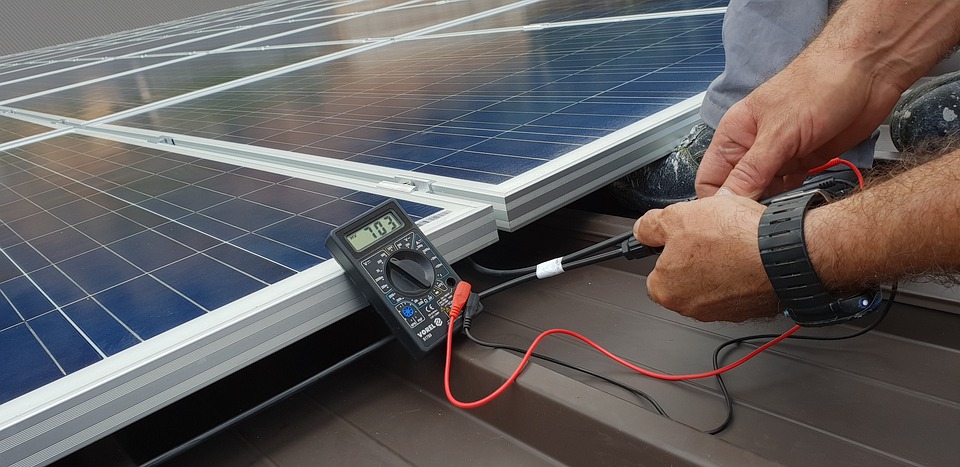
Is there a drawback? Some may argue the upfront financial investment or space requirements. If you peer beyond the surface, the long-lasting benefits often eclipse these difficulties. Think of it: in a world where energy costs unexpectedly change, wouldn't you desire a steady, eco-friendly source? The response may be clearer than you believe.
Eventually, business photovoltaic panels do not simply power buildings-- they empower organizations to imagine a future where earnings and world exist side-by-side harmoniously. Could this be the energy transformation your service has been waiting on?
Setup Process and Factors To Consider
Think of standing atop a business roof, the sun blazing overhead, panels shining like fragments of a futuristic mosaic. The setup procedure for business photovoltaic panels is far from a basic rooftop decor-- it's an intricate symphony of engineering, accuracy, and insight. One mistake in the installing angle or circuitry design can ripple into months of lost performance and costly repairs.
Key Steps in Setup
- Website Evaluation: Before the first panel touches metal, a thorough assessment of the website's sun direct exposure, roofing structure, and shading patterns is crucial. Does the roof slope favor optimal solar gain? Are nearby trees or structures casting unforeseeable shadows?
- System Style: Tailoring the panel design to the service's energy demands and roofing system constraints involves innovative modeling tools. This is where theoretical energy output satisfies physical truth.
- Structural Reinforcement: Commercial roofings typically require support to bear the weight and wind loads of the solar array. Not representing this can result in drooping or disastrous failure during storms.
- Electrical Integration: Linking the panels to the structure's electrical system demands skilled knowledge of load balancing and inverter placement to minimize energy loss.
- Final Examination and Screening: The last step guarantees everything runs seamlessly, but it's likewise when hidden defects often appear.
Vital Considerations for Success
- Roofing System Condition and Durability: Are you installing on a roofing that will last another twenty years? It's smart to replace or fix the roof beforehand to avoid removing panels too soon.
- Weight Distribution: Not all roofings are developed equal. Comprehending the load-bearing capacity avoids structural damage and keeps safety.
- Orientation and Tilt Optimization: Even a small discrepancy from the ideal panel angle can slash output by up to 15%. Accuracy here pays dividends.
- Weather condition Patterns: How will local climate extremes-- hail, snow, or high winds-- effect the durability and efficiency of your system?
- Wiring Pathways: Planning circuitry paths to reduce voltage drop and prevent electromagnetic interference is a typically ignored yet important element.
Expert Tips for a Flawless Installation
| Tip | Why It Matters |
|---|---|
| Perform a shadow analysis at different times of day and year | Makes sure optimum sunlight capture and avoids unanticipated dips in energy production |
| Use micro-inverters rather of a single main inverter | Boosts system resilience; one panel's underperformance won't drag down the entire variety |
| Engage a structural engineer early while doing so | Prevents costly surprises connected to roofing system stability and compliance |
| Label all electrical parts plainly | Accelerate repairing and future upgrades |
Have you ever wondered why some solar installations appear to defy the components for years, while others falter after a couple of seasons? It's the unseen attention to information-- like validating torque settings on mounting hardware or calibrating inverter settings to local grid conditions-- that separates the exceptional from the mediocre. Business photovoltaic panel installation is less about slapping panels on a roof and more about crafting a resilient, efficient energy environment customized to the unique pulse of each business.
Checking out the Varieties of Business Solar Panels
Picture walking into a vast field of solar panels, each gleaming under the sun with a distinct function. Business photovoltaic panels aren't a one-size-fits-all solution. They are available in numerous flavors, each customized to different energy needs and setup environments. Ever questioned why some panels seem bulkier while others appear sleek and slim? Let's peel back the layers.
Monocrystalline Solar Panels: The Elegance of Effectiveness
These panels, crafted from a single crystal of silicon, resemble a dark, practically black canvas extended across rooftops and solar farms. Their uniform look isn't simply aesthetic-- it translates to higher efficiency rates, frequently hovering around 20% or more. This suggests they transform a larger part of sunshine into electrical power, making them ideal for areas where every square inch matters.
Nevertheless, their production is energy-intensive, comparable to molding a diamond from rough stone. For organizations with minimal roof space but high energy consumption, monocrystalline panels often end up being the go-to choice.
Polycrystalline Solar Panels: The Mosaic of Cost
Image a mosaic, vibrant and speckled with various shades of blue. Polycrystalline panels are made from melted silicon pieces poured into molds, leading to a somewhat grainy, less consistent appearance. They usually offer slightly lower performance-- around 15-17%-- however their production procedure is less wasteful and more affordable.
When budget constraints loom large, and space is less of a premium, these panels strike a fine balance between upfront financial investment and performance.
Thin-Film Solar Panels: The Lightweight Contenders
Ever seen solar panels that look like versatile sheets instead of stiff panels? Thin-film technology deposits photovoltaic product onto substrates like glass or metal, developing light-weight, bendable panels. While their effectiveness lags behind crystalline types-- frequently listed below 15%-- they master unique applications where standard panels falter.
Envision roofs with unusual shapes or large exterior setups where weight and flexibility dictate choices. Thin-film panels shine here, although they need more area and cautious consideration of long-term output degradation.
Key Considerations for Business Setups
- Energy output per square foot: Critical for maximizing power in constrained spaces.
- Toughness: Panels endure weather condition extremes; material composition impacts life expectancy.
- Temperature coefficient: Essential in hot climates as some panels lose performance when temperature levels rise.
- Setup complexity: Thin-film panels can minimize structural load but might complicate electrical wiring.
Expert Tips for Picking the Right Panel Type
- Evaluate your roofing's load-bearing capability before choosing much heavier monocrystalline varieties.
- Think about the angle and orientation of your installation website; some panels carry out better under scattered light.
- Look beyond effectiveness numbers-- consider degradation rates and service warranty terms.
- Engage in early dialogue with engineers about possible shading problems that can dramatically reduce output.
In the quest for the best commercial photovoltaic panel, the devil is truly in the details. Are you prepared to harness the sun's power with precision instead of uncertainty?
Environmental Effect and Energy Savings of Commercial Solar Panels
Picture a large rooftop, once a barren stretch of asphalt, now gleaming with rows of industrial photovoltaic panels. This transformation isn't just aesthetic; it's an effective declaration versus the unrelenting consumption of nonrenewable fuel sources. Industrial solar selections can slash carbon footprints in ways that may shock even seasoned energy experts. But what does that really suggest for the environment and your bottom line?
Carbon Footprint Decrease: Beyond the Numbers
Every kilowatt-hour produced by photovoltaic panels represents a small success versus greenhouse gas emissions. On a bigger scale, a commercial center equipped with solar can lower CO2 emissions by loads yearly-- equivalent to planting numerous trees. Yet, the true impact extends beyond mere stats. Think about the causal sequence: fewer emissions suggest cleaner air, much healthier neighborhoods, and a more steady climate.
Energy Efficiency: The Silent Game-Changer
Efficiency in solar innovation has actually jumped forward, but even the most Solar Mounting Systems innovative panels deal with environmental hurdles throughout manufacturing. What typically gets away attention is how smart system design can mitigate these concerns, optimizing energy output while decreasing ecological disturbance. Orienting panels with accuracy and integrating energy storage options can transform variable sunlight into consistent power, cutting reliance on grid electrical energy.
Specialist Tips for Maximizing Energy Savings
- Enhance tilt and orientation: Even a few degrees can affect efficiency by as much as 15%.
- Incorporate clever inverters: They boost grid compatibility and lower energy losses.
- Take advantage of energy management systems: Real-time monitoring recognizes ineffectiveness before they escalate.
- Scale slowly: Phased installations permit adaptation to progressing energy needs without squandering resources.
Environmental Compromises and Long-Term Vision
Solar panels do not derive from thin air; their production involves rare minerals and energy-intensive procedures. This reality pushes stakeholders to think beyond immediate gains. What if end-of-life recycling for panels were streamlined industry-wide? The potential for circular economy concepts to improve the solar sector is enormous, promising even greater environmental dividends in the future.
Quantifying Effect: A Quick Referral Table
| Metric | Normal Annual Industrial Solar Output | Equivalent Environmental Advantage |
|---|---|---|
| Energy Produced (kWh) | 500,000 | Powering ~ 45 average homes for a year |
| CO2 Emissions Prevented (loads) | 350 | Planting ~ 300 mature trees |
| Energy Expense Savings | ~$ 40,000 | Reinvestment into sustainable operations |
When weighing the environmental effect of commercial solar panels, ask yourself: are you prepared to imagine energy not simply as an utility, however as a driver for eco-friendly renewal? The response shapes how services harness the sun's power today-- and tomorrow.
Comments on “Solar Electricity Systems: Stepwise bystep Manual to Photovoltaic Panel Installation”